Quick Summary
The 2026 BMW X3 offers a taller SUV stance, a wider engine range topping out at 393 horsepower, and a cabin built for daily versatility. The Volvo V60 sticks to a wagon body style with a single 247-horsepower engine and lower ground clearance, and Volvo has confirmed the model is nearing the end of its production run. For Long Island drivers who want SUV practicality, stronger performance options, and a model with long-term availability, the X3 stands as the stronger choice.
The 2026 BMW X3 and the Volvo V60 sit in the same general price range, but they take very different approaches to the luxury vehicle experience. The X3 offers a taller SUV stance, a wider engine lineup, and the kind of cargo flexibility that suits daily errands and road trips alike.
The V60 sticks to a wagon body style, favoring lower ground clearance and car-like handling over SUV practicality. Volvo has already signaled that this generation won’t stay in production much longer. Drivers who want to see the full range of current BMW options can browse the new vehicle lineup before choosing a trim.
This comparison breaks down the design, technology, safety, and performance of each vehicle to help Long Island drivers decide which vehicle best fits their daily routine.
Design & Style
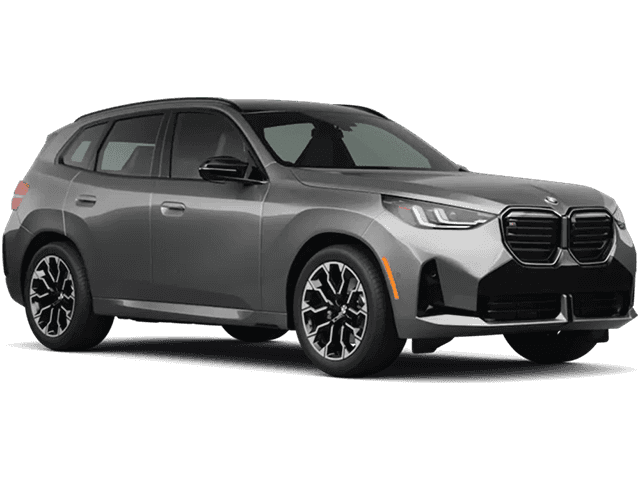
The X3 carries a sculpted, athletic SUV profile with a sharp-edged kidney grille, angular LED headlights, and 19-inch wheels wrapped in satin aluminum trim. The higher ride height and boxier cargo area give the cabin real flexibility for gear, strollers, and weekend luggage.
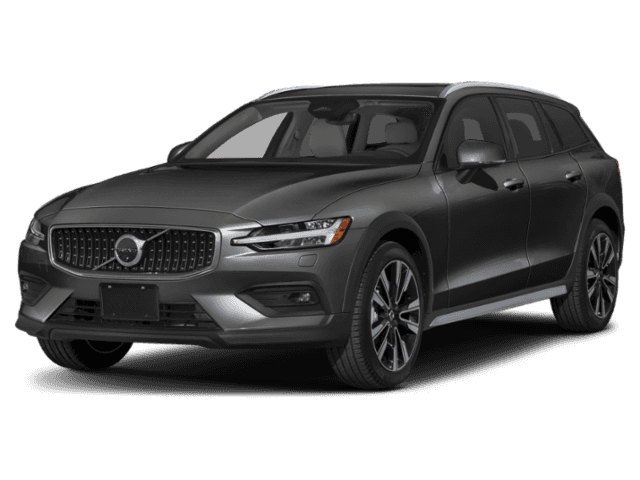
The V60 takes the opposite approach, with a low-slung wagon silhouette, clean horizontal lines, and Volvo’s signature Thor’s Hammer LED headlights. The Cross Country trim adds black body cladding and a slight lift for light off-pavement use, but the overall stance stays closer to the ground than a traditional SUV.
Both vehicles look sharp in a driveway, but the X3’s higher seating position and larger cargo hold give it a practical edge that the V60’s lower wagon body can’t match.
Technology & Safety
BMW equips the X3 with a full suite of standard driver assistance features, including Active Blind Spot Detection, Lane Departure Warning, and Frontal Collision Warning with City Collision Mitigation. Active Driving Assistant integrates these systems into a single interface that responds quickly in both highway driving and stop-and-go traffic.
The V60 brings Volvo’s well-known safety pedigree, with standard adaptive cruise control, blind-spot monitoring, and a rear-collision warning system. Higher trims add a 12.3-inch digital instrument cluster, a head-up display, and a choice of premium audio systems from Harman Kardon or Bowers & Wilkins.
Volvo’s infotainment system runs on a newer software platform with cleaner menus, but the X3’s tech stack integrates more tightly with the vehicle’s driver-assistance features for a more cohesive daily experience.
Performance
The X3 30 xDrive uses a 2.0-liter TwinPower Turbo four-cylinder engine with a 48V mild-hybrid system, producing 255 horsepower and 295 lb-ft of torque through an 8-speed STEPTRONIC automatic. Standard xDrive all-wheel drive keeps the chassis composed through corners and in poor weather.
Drivers who want more can step up to the X3 M50 xDrive, which swaps in a 3.0-liter turbocharged inline-six producing 393 horsepower and 428 lb-ft of torque, backed by adaptive suspension and M Sport brakes. The V60 offers a single B5 powertrain: a 2.0-liter turbocharged four-cylinder with mild-hybrid assistance producing 247 horsepower, paired with an 8-speed automatic and standard all-wheel drive.
The V60’s lower center of gravity gives it tight, wagon-style handling, but the X3’s broader power range and taller stance give Long Island drivers more flexibility across a wider range of driving conditions.
The Bottom Line
Choosing between these two vehicles comes down to body style and long-term availability. The V60 suits drivers who want wagon handling, a lower ride height, and Volvo’s understated design language, though buyers should factor in that this generation is winding down.
The X3 makes more sense for drivers who want SUV practicality, a wider engine lineup, and a model that BMW continues to develop and support for years to come. For Long Island roads that mix highway commutes with cargo-heavy weekends, the X3’s added ride height and power options make for a stronger case.
Schedule a Test Drive Today
Spec sheets only tell part of the story, and the difference between an SUV and a wagon shows up most clearly behind the wheel. The 8-speed transmission, xDrive all-wheel drive, and raised seating position all make a stronger impression once a driver spends real time on the road.
Competition BMW of Smithtown carries the full 2026 X3 lineup, from the efficient 30 xDrive to the high-output M50 xDrive, and the sales team can walk through trims, financing, and current offers in detail. Long Island drivers ready to compare these vehicles firsthand can schedule a test drive at the Saint James showroom today.
FAQs
Is the Volvo V60 still in production for 2026?
Volvo has signaled that this generation of the V60 is approaching the end of its run. Buyers interested in the wagon should confirm current availability before committing to a purchase.
How does the X3’s cargo space compare to the V60’s?
The X3’s SUV body style gives it a taller cargo area and more flexible loading height. The V60’s wagon layout offers a lower load floor but less overall vertical space.
Which vehicle offers more horsepower at the top of its lineup?
The X3 M50 xDrive reaches 393 horsepower, well above the V60’s single 247-horsepower engine option. The X3 also offers a lower-output trim for drivers who want better efficiency.