Quick Summary
The 2026 BMW X3 offers a broader engine range topping out at 393 horsepower, while the Audi Q5 sticks to a single 268-horsepower engine across its entire lineup. Both SUVs pack strong standard safety tech and premium cabins, but the X3’s step-up M50 xDrive trim gives it a clear performance advantage the Q5 can’t match. For Long Island drivers who want more power options, the X3 comes out ahead.
The 2026 BMW X3 and the Audi Q5 sit at the center of the compact luxury SUV segment, and both draw serious cross-shopping traffic on Long Island. The X3 offers a wider engine lineup and a driver-focused cabin, while the Q5 uses a single powertrain across all trims and leans on Audi’s design language and quattro all-wheel drive.
Both SUVs deliver strong daily comfort, but the differences in power, tech integration, and chassis tuning show up once a driver spends real time behind the wheel. Shoppers who want to see BMW’s current lineup can browse the new-vehicle inventory before narrowing down a trim.
This comparison breaks down the design, technology, safety, and performance of these two luxury SUVs to help Long Island drivers decide between them.
Design & Style
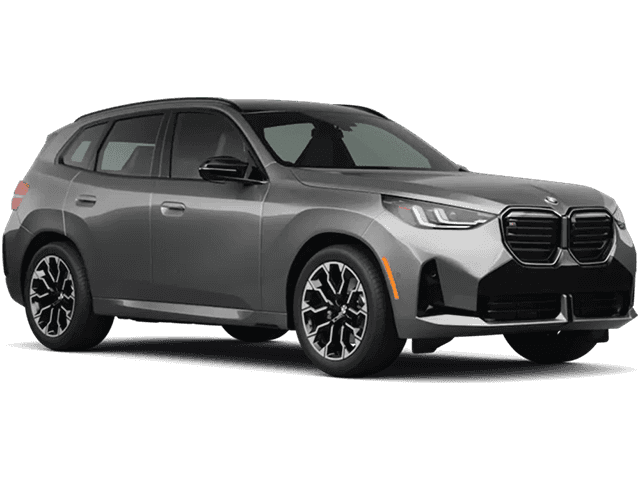
The X3 carries a sculpted, athletic profile with a sharp-edged kidney grille, angular LED headlights, and 19-inch wheels wrapped in satin aluminum trim. The cabin favors a driver-focused layout, with tightly stitched materials and controls angled toward the driver’s seat.
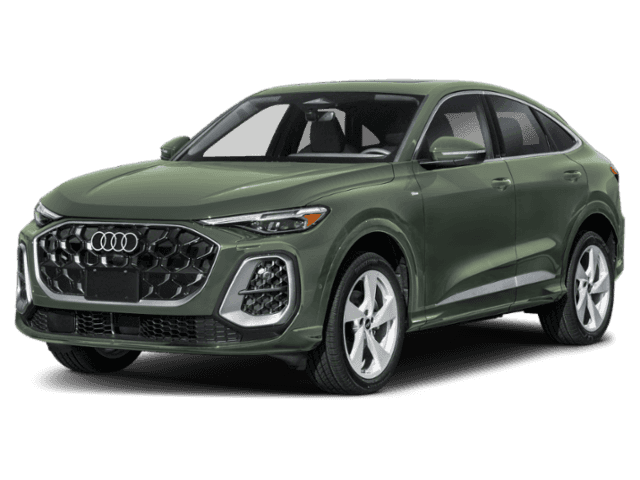
The Q5 takes a more understated approach, with a sleeker radiator grille, prominent air intakes, and distinctive exhaust outlets that give the exterior a refined, sporty look. Inside, Audi fits the Q5 with a massive curved display, combining an 11.9-inch instrument cluster with a 14.5-inch infotainment screen, plus a passenger-side display on select trims.
Both SUVs project confidence and craftsmanship, but the X3’s bolder exterior lines contrast with the Q5’s cleaner, more minimalist design language.
Technology & Safety
BMW equips the X3 with a full suite of standard driver assistance features, including Active Blind Spot Detection, Lane Departure Warning, and Frontal Collision Warning with City Collision Mitigation. Active Driving Assistant integrates these systems into a single interface designed for both daily commuting and highway driving.
The Q5 counters with its own strong safety package, including standard blind-spot alert, a collision warning system, and traction control across every trim. Higher trims add adaptive cruise control with lane centering, a surround-view camera, and a head-up display that projects vehicle and navigation information directly into the driver’s line of sight.
Both automakers pack extensive tech into their cabins, but the X3’s driver assistance suite integrates with slightly more polish, while the Q5’s dual-screen setup gives passengers a more immersive digital experience.
Performance
The X3 30 xDrive uses a 2.0-liter TwinPower Turbo four-cylinder engine with a 48V mild-hybrid system, producing 255 horsepower and 295 lb-ft of torque through an 8-speed STEPTRONIC automatic. Standard xDrive all-wheel drive keeps the chassis composed through corners and in poor weather.
Drivers who want more can step up to the X3 M50 xDrive, which swaps in a 3.0-liter turbocharged inline-six producing 393 horsepower and 428 lb-ft of torque, backed by adaptive suspension and M Sport brakes. The Q5 offers a single turbocharged 2.0-liter four-cylinder engine with mild-hybrid assistance, producing 268 horsepower and 295 lb-ft of torque, paired with a 7-speed dual-clutch automatic and standard quattro all-wheel drive.
The Q5’s base engine edges out the X3 30 xDrive slightly on power, but the X3’s M50 xDrive trim pulls well ahead of anything in the current Q5 lineup.
The Bottom Line
Choosing between these two SUVs comes down to how much performance range a driver wants. The Q5 suits buyers who want strong standard power, quattro all-wheel drive, and a clean, minimalist cabin without needing to choose between engine tiers.
The X3 makes more sense for drivers who want the flexibility to start efficient and step up to serious performance later, along with a cabin tuned more directly around the driver. For Long Island drivers who value that range of options, the X3 gives more room to match a vehicle to a specific driving style.
Schedule a Test Drive Today
Spec sheets only tell part of the story, and the difference between these two SUVs shows up most clearly behind the wheel. The 8-speed transmission, xDrive all-wheel drive, and cabin materials all make a stronger impression once a driver takes the SUV out on real roads.
Competition BMW of Smithtown carries the full 2026 X3 lineup, from the efficient 30 xDrive to the high-output M50 xDrive, and the sales team can walk through trims, financing, and current offers in detail. Long Island drivers ready to compare these SUVs firsthand can schedule a test drive at the Saint James showroom today.
FAQs
Does the Audi Q5 offer more than one engine option?
No. Every 2026 Q5 trim uses the same turbocharged 2.0-liter engine, producing 268 horsepower and 295 lb-ft of torque. Audi pairs it with standard quattro all-wheel drive.
How does the X3 M50 xDrive compare to the Q5’s power output?
The X3 M50 xDrive produces 393 horsepower, well above the Q5’s 268-horsepower engine. Drivers seeking a higher-performance version of the Q5 would need to look at the separate SQ5 model.
Do both SUVs come with standard all-wheel drive?
Yes. The X3 includes BMW’s xDrive system on every trim, and the Q5 pairs its engine with standard quattro all-wheel drive as well.