Buyers looking for a three-row luxury SUV in 2025 will likely consider both the BMW X7 and Volvo XC90. Each vehicle presents a premium experience, yet their approaches differ in both philosophy and execution. One emphasizes precision and performance, while the other prioritizes calmness and efficiency.
Evaluating both SUVs side by side allows a closer look at how they serve different driving needs. From visual appeal to powertrain options, each model offers something distinctive for today’s luxury SUV shopper.
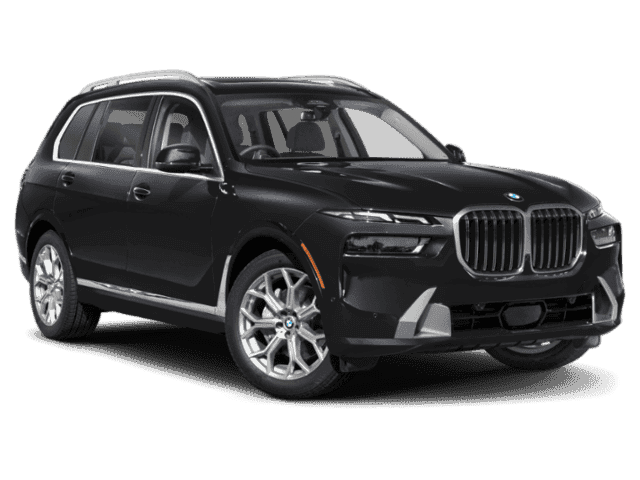
BMW’s approach to the X7 remains bold and confident. The large kidney grille, sculpted hood, and split-headlight design contribute to a commanding presence. Inside, attention turns to refinement through available Merino leather, fine wood trims, and an expansive curved display that wraps the driver in a high-tech atmosphere.
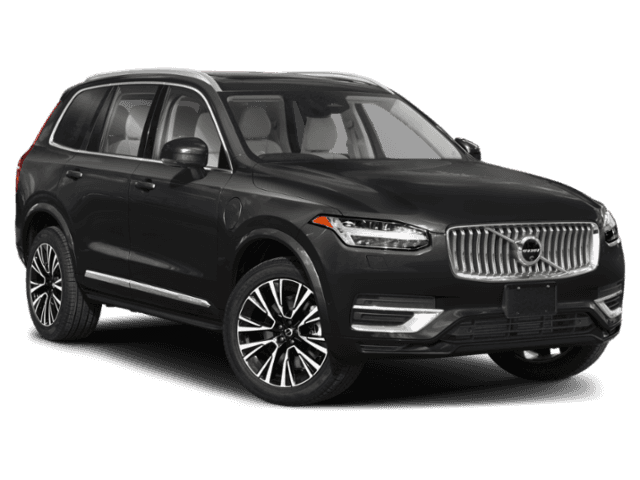
Volvo presents the XC90 with a clean and quiet exterior, refreshed for 2025 with a redesigned grille and updated lighting. The cabin continues its modern Scandinavian theme with recycled materials, light color tones, and simplified controls. Comfort plays a leading role, offering a relaxed setting that’s easy to enjoy on longer trips.
BMW integrates a high level of digital control through its curved display system. A combination of a 12.3-inch driver screen and 14.9-inch central touchscreen connects through iDrive 8.5, offering smart route guidance, voice activation, and real-time traffic updates. Additional features like remote software upgrades and augmented view navigation elevate the overall tech suite.
Volvo equips the XC90 with Google built-in, supporting apps like Google Maps and Assistant without needing a smartphone. Its safety suite includes Pilot Assist with adaptive cruise, cross traffic alert with brake support, and a new large-animal detection system. While both models offer strong protection, BMW builds more around user engagement, and Volvo leans into clarity and ease of use.
BMW offers the X7 with a choice between the xDrive40i and M60i engines. The inline-six delivers 375 horsepower, while the twin-turbo V8 brings 523 horsepower. Paired with all-wheel drive and an eight-speed automatic transmission, both versions maintain a smooth yet responsive character. Adaptive suspension and available rear-axle steering improve stability at speed and comfort in tight turns.
Volvo’s XC90 includes three engine setups. The B5 and B6 mild hybrids offer up to 295 horsepower, while the T8 plug-in hybrid reaches 455 horsepower and 523 lb-ft of torque. It covers short commutes with 32 miles of electric-only driving. Acceleration is strong with the T8, though its focus remains on refined movement rather than aggressive handling.
Some drivers want sharp feedback and strong acceleration. Others prefer calm operation with a focus on comfort and long-term efficiency. BMW’s X7 checks the boxes for those who want a more athletic SUV with premium performance under foot. Its interior build and road manners appeal to those who value precision and control.
Volvo’s XC90 stands as a more measured option. It favors light steering, open cabin design, and tech that minimizes distraction. The plug-in hybrid model also makes a strong case for eco-conscious families who want utility without the need to refuel constantly.
Exploring a vehicle in person is the best way to understand how it feels behind the wheel. We invite you to visit us at Competition BMW and experience the 2025 BMW X7 for yourself. Our knowledgeable staff will help guide you through trim levels, color options, and tech packages.
We don’t stop at sales. Our facility includes a full-service center with certified BMW technicians, genuine parts, and routine maintenance support. Whether you’re planning a test drive or need expert service, we’re here to support you every step of the way.