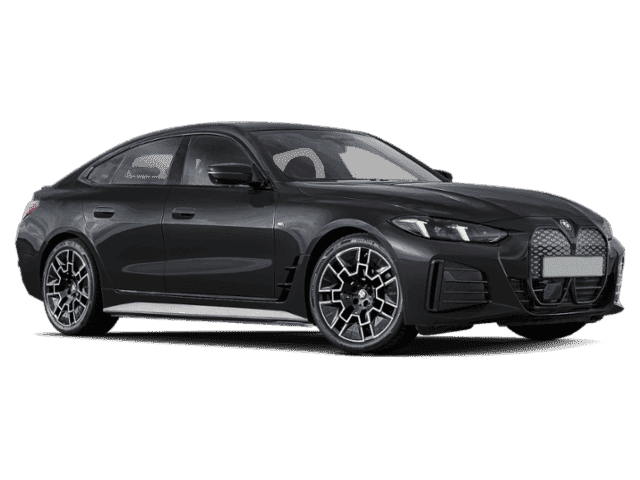
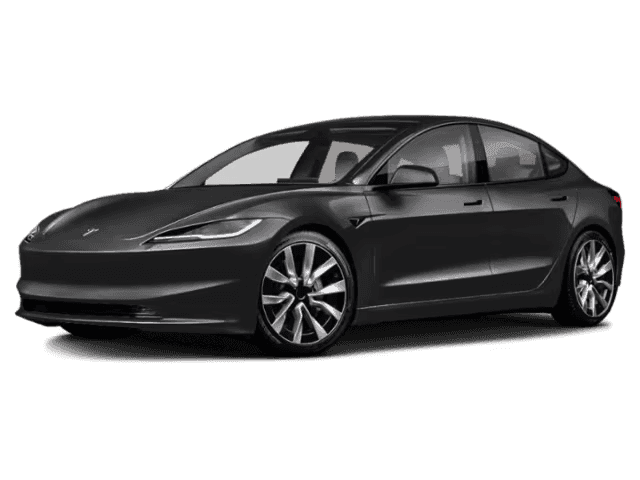
The 2025 BMW i4 and 2025 Tesla Model 3 both compete in the premium electric sedan space. Each model brings its own approach to design, technology, and driving behavior. The i4 blends electric power with the build quality and structure of a traditional performance sedan.
The Model 3 sticks to a tech-forward experience with minimal controls and a digital-first interior. Buyers in this segment want performance, efficiency, and intuitive tech features without compromising comfort or range. This comparison outlines how these two electric sedans stack up where it counts most.
The 2025 BMW i4 carries the proportions of a classic Gran Coupe with bold front grilles, sharp character lines, and a roofline that flows into a fastback rear. Its design includes real vents, aggressive wheel arches, and LED lighting that gives it a sporty yet refined presence. Inside, the layout feels driver-focused with physical controls, a curved display, and high-quality materials throughout the cabin.
The Tesla Model 3 keeps a minimalist look with a smooth front, flush door handles, and a low stance. Inside, nearly everything runs through a central touchscreen. The cabin design feels clean but lacks tactile engagement and variety in materials.
The i4 uses BMW’s latest iDrive 8.5 interface, which pairs a wide curved display with clear menus, natural voice recognition, and over-the-air updates. Drivers can access navigation, media, and vehicle functions through a mix of touchscreen, rotary controller, and voice commands. The i4 also includes active safety features like lane keeping, frontal collision alert, blind spot detection, and highway assistant.
The Model 3 relies heavily on software for nearly all controls. The large center touchscreen manages navigation, climate, media, and even glovebox access. Tesla offers strong driver-assistance features under its Autopilot system, but the experience depends entirely on the user adapting to the software-driven environment.
The 2025 BMW i4 offers a range of powertrains starting with the eDrive35 and climbing to the high-output M50 model. Each variant delivers strong acceleration, confident cornering, and a balanced ride. The i4 uses rear- or all-wheel drive configurations, and its adaptive suspension smooths out rough pavement while maintaining sharp steering response.
Tesla’s Model 3 provides quick acceleration and solid range, especially in the dual-motor Long Range and Performance variants. While it handles well in daily driving, the Model 3’s ride quality feels firmer, and its steering lacks feedback. The i4 delivers more consistent behavior at highway speeds and through corners.
Both the 2025 BMW i4 and 2025 Tesla Model 3 offer fast acceleration, strong electric range, and modern interfaces, but they cater to different driver expectations. The i4 provides a premium interior, refined dynamics, and multiple ways to interact with key functions. It feels familiar in structure but modern in execution.
The Model 3 delivers simplicity, speed, and efficient range but sacrifices tactile quality and traditional controls for an all-screen experience. Drivers looking for substance across tech, driving engagement, and build quality will see a clear difference in long-term usability.
Take the wheel and experience the precision and power of the 2025 BMW i4 in person. Visit Competition BMW of Smithtown to schedule a test drive and discover how this electric sedan fits into your everyday drive.